Obamacare Plans in Texas
Selecting a health insurance plan involves more than comparing monthly premiums. Deductibles, copayments, coinsurance, maximum out-of-pocket limits, provider networks, prescription formularies, and covered services can all affect a plan’s potential cost and usefulness.
The Affordable Care Act (ACA) gives eligible Texas residents access to individual health plans through the federal Marketplace at HealthCare.gov. Available plans vary by location and plan year. This guide explains metal categories, provider-network structures, plan costs, and other factors to review before enrolling.
This guide explains the types of Obamacare plans available in Texas, how coverage levels compare, and what factors to consider before enrolling in a plan.
Overview of ACA Plans in Texas
ACA Marketplace plans must cover the ten essential health-benefit categories, including ambulatory care, emergency services, hospitalization, maternity and newborn care, mental health and substance use disorder services, prescription drugs, rehabilitative and habilitative services and devices, laboratory services, preventive and wellness services and chronic disease management, and pediatric services, including oral and vision care. Specific covered services, provider networks, formularies, cost sharing, and prior-authorization rules vary by plan. Certain in-network preventive services are generally covered without cost sharing, even before the deductible is met.
Although every ACA plan includes these core benefits, plans differ in how costs are shared between the insurance company and the policyholder. When evaluating your options, it’s important to consider both monthly expenses and the potential cost of receiving care throughout the year.
For a broader overview of ACA coverage, visit our Obamacare & ACA Health Insurance in Texas page.

Bronze vs Silver vs Gold Plans
ACA Marketplace plans are generally grouped into metal tiers that make it easier to compare how healthcare costs are structured.
While all plans provide the same essential health benefits, choosing the right coverage level can have a significant impact on your overall healthcare expenses.
Bronze plans generally have lower monthly premiums and higher costs when care is received than Silver or Gold plans. A deductible does not necessarily mean the plan pays nothing beforehand: all Marketplace plans cover certain in-network preventive services without cost sharing, and some plans cover additional services before the deductible. Compare the specific deductible, copayments, coinsurance, provider network, formulary, and maximum out-of-pocket limit.
Because deductibles and cost-sharing amounts are often higher, Bronze plans can be a practical choice for individuals who do not anticipate frequent medical visits but still want financial protection against significant healthcare events.
Silver plans generally fall between Bronze and Gold in monthly premiums and cost sharing. Applicants who qualify for cost-sharing reductions receive those extra savings only when enrolled in a Silver plan; the savings may lower deductibles, copayments, coinsurance, and the out-of-pocket maximum. Review each Silver plan’s actual costs because plan designs vary.
Gold plans generally have higher monthly premiums and lower costs when care is received than Bronze or Silver plans. Whether a Gold plan produces a lower estimated total yearly cost depends on the specific premium, cost sharing, covered care, prescriptions, and provider network.
These plans are often selected by people who:
- Visit doctors regularly
- Have ongoing medical conditions
- Take prescription medications
- Expect higher healthcare utilization
While premiums may be higher, lower cost-sharing can provide significant value for individuals who expect regular medical expenses.
Comparing PPO and HMO Health Insurance Plans
In addition to comparing coverage levels, it is important to understand the differences between network types. Two of the most common network structures available through ACA plans are PPOs and HMOs.
HMO PLANS
Health Maintenance Organization (HMO) plans typically focus on coordinated care within a designated provider network.
HMO plans often:
- Have lower premiums
- Require primary care physician coordination
- Offer lower costs for in-network care
- Provide limited coverage for out-of-network services
For consumers whose preferred providers participate in the network, HMO plans can offer a cost-effective healthcare solution.
PPO PLANS
Preferred Provider Organization (PPO) plans generally provide more flexibility when selecting healthcare providers.
PPO plans may:
- Allow access to a larger provider network
- Offer some coverage for out-of-network care
- Require fewer referrals for specialist visits
- Provide additional provider flexibility
This flexibility can be attractive to consumers who prioritize provider access, although it may result in higher premiums or healthcare costs.
Which Network Type Is Better?
The answer depends on your individual healthcare priorities. When comparing network types, consider:
- Preferred doctors
- Healthcare needs
- Budget
- Desire for provider flexibility
- Frequency of specialist visits
Reviewing network details carefully can help ensure your preferred healthcare providers and facilities are included before you enroll.
Available ACA Insurance Carriers
Insurance companies and plans available through HealthCare.gov can change by county and plan year. Compare only the options shown for the applicant’s current location and coverage year. Review premiums, cost sharing, provider networks, prescription formularies, quality information, plan documents, and customer-service resources. Confirm current availability through HealthCare.gov and the Texas Department of Insurance.
When evaluating insurance companies, many consumers review:
- Available provider networks
- Prescription drug coverage
- Customer service reputation
- Monthly premiums
- Deductibles and out-of-pocket costs
- Coverage options available in your area
Because plan availability can vary by county, reviewing the options available in your specific area is an important part of the enrollment process.
Major Marketplace Insurance Providers in Texas
Texas residents may have access to ACA Marketplace plans from several health insurance carriers. Available companies can vary based on location and plan year, but many consumers begin by comparing coverage from some of the state’s largest Marketplace insurers.
Major Marketplace insurance providers in Texas may include:
- Blue Cross Blue Shield of Texas
- Ambetter
- Molina Healthcare
- Oscar Health
- UnitedHealthcare
Because provider networks, premiums, covered medications, and plan designs can vary significantly between carriers, comparing multiple options can help ensure you find the coverage that best aligns with your healthcare needs.
Average Costs and Factors That Affect What You'll Pay
The cost of ACA health insurance is different for every household. Factors such as age, location, household size, and eligibility for financial assistance can all affect monthly premiums and total healthcare expenses.
While some consumers qualify for significant premium tax credits that reduce monthly costs, others may pay more depending on their individual circumstances.
Understanding what influences pricing can make it easier to compare plans and estimate your potential healthcare expenses.
Factors That Affect Monthly Premiums
Monthly premiums may be influenced by:
- Age
- Location
- Household size
- Tobacco use
- Selected coverage level
- Subsidy eligibility
Other Costs to Consider
Monthly premiums are only one part of the total cost of health insurance. When comparing plans, it is also important to review:
- Deductibles
- Copayments
- Coinsurance
- Maximum out-of-pocket limits
Financial Assistance and Subsidies
Depending on eligibility, applicants may receive a premium tax credit that lowers the monthly premium. Some applicants may also qualify for cost-sharing reductions, which lower deductibles, copayments, coinsurance, and the out-of-pocket maximum only when the applicant enrolls in a Silver plan. The Marketplace application determines potential savings using household, income, tax, immigration or citizenship, and other-coverage information.
Learn more about financial assistance on our Texas ACA Subsidies page.
Choosing the Right Plan
No single plan is best for every person or household. Compare the monthly premium after any applicable tax credit, deductible, copayments, coinsurance, maximum out-of-pocket limit, expected care, prescriptions, provider network, and covered services. Estimated total yearly cost can help compare plans, but actual spending depends on the care received. Review the Summary of Benefits and Coverage, provider directory, formulary, and other current plan documents before enrolling.
To explore available Marketplace coverage options, visit our Texas Health Insurance Marketplace page.
Frequently Asked Questions
Metal categories describe how a plan and its members share covered costs across a standard population; they do not describe care quality or predict one person’s exact expenses. Bronze plans generally have lower premiums and higher costs when care is received, Silver plans generally fall between Bronze and Gold, and Gold plans generally have higher premiums and lower costs when care is received. Eligible consumers receive cost-sharing reductions only with a Silver plan.
That depends on the exact plan’s provider network. Before enrolling, check the plan’s current provider directory, call the insurance company about specific providers, and confirm participation directly with your doctors, specialists, hospitals, and facilities. Networks can change, and a provider may participate in some plans from an insurer but not others.
No. Although ACA-compliant plans must cover essential health benefits, plans can differ significantly in provider networks, premiums, deductibles, prescription drug coverage, and overall healthcare costs. Comparing multiple options can help ensure you choose coverage that aligns with your healthcare needs and budget.
Costs vary by the plan selected and the people enrolling. Full premiums may vary based on location, age, tobacco use, plan category, and family enrollment. Potential premium tax credits depend on additional eligibility information, including expected household income and household size. Compare the premium, deductible, copayments, coinsurance, and maximum out-of-pocket limit; complete a Marketplace application for a final eligibility result and personalized price.
Plan changes are generally made during the annual Open Enrollment Period. Outside that period, a qualifying life event may create a Special Enrollment Period, but eligibility, deadlines, documentation, and permitted plan changes depend on the event.
Get Help Comparing Obamacare Plans
in Texas
Comparing health insurance plans can feel complicated when evaluating provider networks, coverage levels, premiums, deductibles, and financial assistance opportunities. MBhealth helps individuals and families understand their options, compare available plans, and select coverage that aligns with their healthcare needs and budget.
Contact MBhealth today to learn more about Obamacare plans in Texas and find the coverage that’s right for you.
STATE LICENSURE
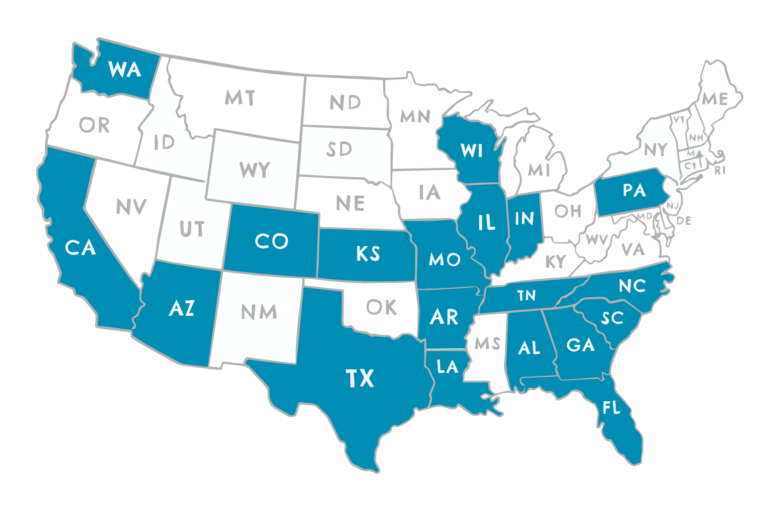
MBhealth is licensed in the following states:
- Alabama
- Arizona
- Arkansas
- California
- Colorado
- Florida
- Georgia
- Illinois
- Indiana
- Kansas
- Louisiana
- Missouri
- North Carolina
- Pennsylvania
- South Carolina
- Tennessee
- Texas
- Washington
- Wisconsin