ACA Subsidies in Texas
The cost of health insurance is one of the biggest concerns many individuals and families face when shopping for coverage. Fortunately, the Affordable Care Act (ACA) created financial assistance programs that help eligible consumers reduce the cost of health insurance purchased through the Health Insurance Marketplace.
Eligible consumers who enroll in qualified health plans through the Health Insurance Marketplace may receive financial assistance. The two primary forms are the premium tax credit, which may lower the monthly premium, and cost-sharing reductions, which may lower deductibles, copayments, coinsurance, and the out-of-pocket maximum for eligible consumers enrolled in a Silver plan. Texas uses the federal Marketplace at HealthCare.gov.
This guide explains how ACA subsidies work in Texas, who may qualify, and how financial assistance can help reduce the cost of Marketplace coverage. For a broader overview of ACA coverage, eligibility requirements, and enrollment information, visit our Obamacare & ACA Health Insurance in Texas page.
How ACA Subsidies Work
The premium tax credit is a federal tax credit available to eligible taxpayers who enroll in qualifying Marketplace coverage. Consumers may choose to have all, some, or none of the estimated credit paid in advance directly to the insurance company to lower monthly premiums. Cost-sharing reductions are not direct payments; they change the cost-sharing terms of an eligible consumer’s Silver plan.
The amount of assistance available varies based on factors such as:
- Household income
- Family size
- Age
- Location
- Available plan options
Because eligibility is based on individual circumstances, subsidy amounts can differ significantly from one household to another.
How to Know if You Qualify for ACA Subsidies in Texas
Complete a Marketplace application to receive an eligibility determination for advance payments of the premium tax credit and cost-sharing reductions. Provide accurate projected household income, tax-family information, and details about other coverage available to household members. The temporary additional premium tax-credit savings available from 2021 through 2025 ended on December 31, 2025, so 2026 and forward eligibility and premium amounts may differ from prior years.
Many applicants discover they qualify for savings even if they initially assumed their income was too high. To learn more about enrollment and plan availability, visit our Texas Health Insurance Marketplace page.
Income Requirements for ACA Subsidies
Marketplace savings use projected household income for the coverage year and the applicant’s tax household, which generally includes the tax filer, a spouse, and tax dependents. Married applicants generally must plan to file a joint federal return to qualify, with limited exceptions. A person who can be claimed as another taxpayer’s dependent generally cannot claim the premium tax credit. Eligibility can also be affected by citizenship or lawful-presence requirements and access to affordable employer coverage, Medicare, Medicaid, CHIP, TRICARE, or other qualifying coverage.
Because federal guidelines and eligibility rules can change over time, it is important to review current requirements when applying for coverage. Even consumers who did not qualify for subsidies in previous years may find that changes in income, family size, or updated eligibility guidelines affect the assistance available to them.
Understanding Premium Tax Credits
An eligible consumer may use all, some, or none of the estimated premium tax credit in advance. Advance payments go directly to the insurance company and reduce the monthly premium paid by the enrollee. The final allowed credit is calculated on the federal tax return using actual annual household income and family size. Form 1095-A and IRS Form 8962 are used to reconcile advance payments.
The amount of assistance available may depend on factors including:
- Household income
- Family size
- Age
- Location
- Cost of available plans
Because healthcare costs and household circumstances vary, subsidy amounts are calculated individually rather than using a one-size-fits-all approach. For many Texans, premium tax credits represent one of the most valuable benefits available through Marketplace coverage.
Family Eligibility for ACA Subsidies
Families may qualify for Marketplace savings when all applicable requirements are met. The Marketplace generally uses the tax filer, spouse, and tax dependents to determine family size and projected household income, including household members who do not need Marketplace coverage. Eligibility can differ among family members because some may have access to employer-sponsored coverage or government programs. Update the application when income, tax dependents, marital status, address, or access to other coverage changes.

Examples of How ACA Subsidies May Reduce Healthcare Costs in Texas
Every household’s situation is unique, but the following examples demonstrate how ACA subsidies may help reduce healthcare costs for eligible Texans.
Example 1: Individual Coverage
For example, a 40-year-old self-employed Texan earning approximately $35,000 per year may qualify for premium tax credits that significantly reduce the monthly cost of Marketplace coverage.
Depending on the plan selected and the individual’s location, a plan with a full premium of $500 per month could cost closer to $100–$150 per month after subsidies are applied.
Example 2: Family Coverage
Consider a family of four in Texas with a household income of approximately $65,000 per year.
Without financial assistance, a Marketplace plan might cost $1,400 per month. After premium tax credits are applied, that monthly premium could be reduced to approximately $400–$700 per month, depending on the plan and location.
Example 3: Income Changes During the Year
Suppose an individual estimates an annual income of $40,000 when applying for coverage and receives premium tax credits based on that estimate.
If their actual income later increases to $55,000, their subsidy amount may change. Updating Marketplace information promptly can help ensure financial assistance remains accurate and may reduce the likelihood of unexpected tax adjustments when filing a return.
Example 4: Self-Employed Professional
A self-employed consultant earning approximately $50,000 annually may qualify for Marketplace subsidies even though they do not receive employer-sponsored health insurance.
For example, a plan with a monthly premium of $650 could be reduced to approximately $250–$400 per month after available premium tax credits are applied, depending on household circumstances and plan selection.
Because every situation is different, actual savings will vary based on factors such as income, family size, age, location, and plan selection.
How to Apply for ACA Subsidies in Texas
Most Texans find out whether they qualify for ACA subsidies while completing a Health Insurance Marketplace application. The process is designed to evaluate household information and determine what forms of financial assistance may be available.
Step 1: Gather Household Information
Apply through HealthCare.gov or an approved Marketplace enrollment pathway. Before applying, gather projected annual household income, tax-filing status, spouse and dependent information, Social Security numbers for applicants who have them, immigration documentation for applicants who need it, and information about employer or government coverage available to household members. The Marketplace may request documents to verify application information.
Step 2: Complete a Marketplace Application
After completing the application, the Marketplace reviews the information provided and evaluates eligibility for premium tax credits and other available assistance programs.
This review helps determine whether financial assistance may be available and how much support you could receive.
Step 3: Review Eligibility Results
Once eligibility has been determined, you can review any available financial assistance and see how those savings may affect the cost of coverage.
Many applicants use this stage to compare multiple plans and evaluate the impact subsidies may have on monthly premiums and overall healthcare costs.
Step 4: Select a Plan
After reviewing available options, you can select the Marketplace plan that best fits your healthcare needs and budget.
If you qualify for premium tax credits, those savings can generally be applied directly to your monthly premium, helping lower your ongoing healthcare expenses.
Step 5: Update Information When Needed
Report changes to projected income, household members, marital status, address, or access to employer or government coverage promptly. Advance premium tax credits must be reconciled on the federal tax return using Form 1095-A and Form 8962. Beginning with tax year 2026, there is no repayment cap for excess advance premium tax credits: if advance payments exceed the final allowed credit, the full excess generally must be repaid.
To learn more about available coverage options, visit our Texas Obamacare Plans page.
Frequently Asked Questions
“ACA subsidy” is an informal umbrella term for Marketplace financial assistance. The premium tax credit may lower an eligible taxpayer’s monthly premium, while cost-sharing reductions may lower deductibles, copayments, coinsurance, and the out-of-pocket maximum for eligible consumers who select a Silver plan. These programs have different rules and should be named separately.
Complete a Marketplace application for an eligibility determination. Premium tax-credit eligibility generally depends on projected household income, tax-family size and filing status, Marketplace enrollment, and whether an applicant has access to other qualifying coverage. Age, location, and benchmark-plan premiums can affect the credit amount but are not stand-alone eligibility rules.
Yes, if all Marketplace and tax-credit requirements are met. Self-employed applicants report estimated net self-employment income—generally, business income minus business expenses—along with other household income for the coverage year. An offer of qualifying coverage through a spouse’s employer or another source may affect eligibility. Update the Marketplace application when the income estimate or coverage access changes.
You may. Advance payments of the premium tax credit are based on estimated information and must be reconciled with the final allowed credit on the federal tax return. If advance payments exceed the allowed credit, the excess increases tax liability. For tax years after 2025, there is no repayment cap; the full excess advance credit generally must be repaid. If the final credit is larger than the advance amount used, the difference may increase a refund or reduce tax owed. Consult a qualified tax professional for advice about a specific return.
Families may qualify when all applicable requirements are met. Marketplace savings generally use projected household income and tax-family size, but eligibility can differ among household members based on employer coverage, Medicare, Medicaid, CHIP, TRICARE, or other qualifying coverage. Complete an application to receive a household-specific determination.
Get Help Understanding ACA Subsidies
in Texas
Determining subsidy eligibility is not always straightforward. Factors such as household income, family size, available coverage options, and changing life circumstances can all affect the amount of financial assistance available.
MBhealth helps Texans navigate the Marketplace, evaluate subsidy opportunities, compare available plans, and better understand their health insurance options. Contact MBhealth today to learn more about ACA subsidies in Texas and discover what financial assistance may be available to help lower your healthcare costs.
STATE LICENSURE
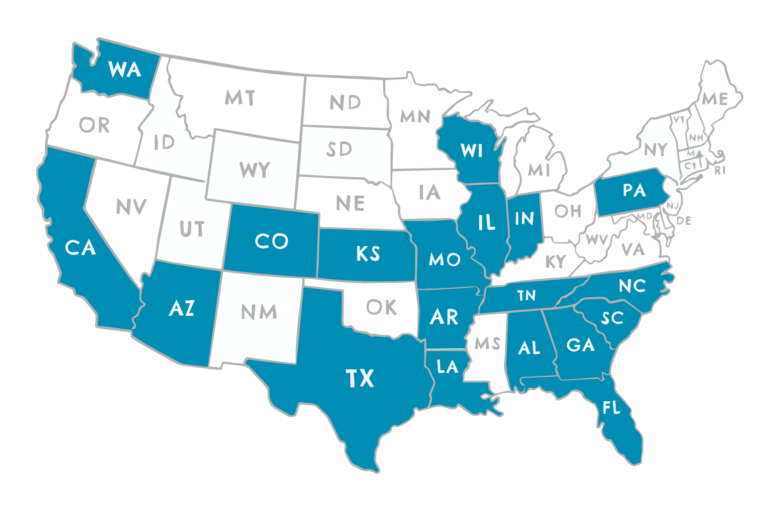
MBhealth is licensed in the following states:
- Alabama
- Arizona
- Arkansas
- California
- Colorado
- Florida
- Georgia
- Illinois
- Indiana
- Kansas
- Louisiana
- Missouri
- North Carolina
- Pennsylvania
- South Carolina
- Tennessee
- Texas
- Washington
- Wisconsin